What the rent index shows
The Mietspiegel reflects the local comparative rent: what is paid in Munich for flats of comparable size, location, fittings, condition and age, including existing tenancies. The City of Munich publishes and regularly updates it; its online calculator estimates the comparative rent for a specific flat. We deliberately don't quote figures here, because they change with every edition.
Rent index and asking rents are not the same
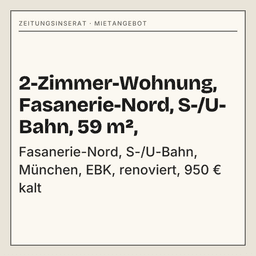
Ads show asking rents – what landlords want for new leases. They are often above the comparative rent, because the index also includes older, running contracts. Our Munich rent prices show asking rents from real ads of the last 90 days per district and room count; they don't replace the rent index.
Current asking rents by district →
How the rent brake works
In Bavaria the state government designates the tight housing markets by ordinance (Mieterschutzverordnung); Munich has been on the list since the rent brake was introduced. As the ordinance is time-limited, check the current status with the Bavarian Ministry of Justice, the city or a tenants' association. Where it applies, the rent for a new lease may be at most ten percent above the local comparative rent (§ 556d BGB). Exceptions:
- Flats first used and let after 1 October 2014 (§ 556f BGB).
- The first letting after a comprehensive modernisation.
- If the previous tenant already paid more, the landlord may ask for that rent again (§ 556e BGB).
- The brake also applies to furnished flats; a reasonable surcharge for the furniture is allowed.
New builds in Munich →
Exceptions need to be disclosed
A landlord who wants to rely on one of these exceptions must tell you, unprompted, before the lease is signed. If they don't, they can't rely on it for the time being. So look for such information in the ad or the lease.
If your rent is too high
You challenge a breach towards the landlord in text form, e.g. by letter or email. From then on only the permitted rent is owed. If you complain within 30 months of the tenancy starting and the lease is still running, the landlord must repay the excess rent since the start. Tenants' associations check rents for their members.
Rent increases during the tenancy
Later on, the comparative rent still sets limits: an increase up to the comparative rent may not exceed 20 percent within three years, and 15 percent in areas with a lowered cap such as Munich (§ 558 BGB, also set by Bavarian ordinance). Graduated (Staffel) and index-linked rents follow their own rules. Tenants' associations check specific increases for their members.
Using the rent index calculator
The city's online calculator is only as accurate as your input. Have these ready:
- The living area stated in the lease and, if in doubt, your own measurement.
- The year the building was built and major modernisations, such as new windows, bathroom or heating.
- The exact address, as the residential location feeds into the result.
- The fittings: bathroom, kitchen, flooring, balcony, lift and what the landlord provided.
Common misconceptions
These mix-ups most often lead to wrong conclusions:
- Comparing the warm rent with the rent index: the Mietspiegel and the rent brake refer to the net cold rent, without service charges and heating.
- Overlooking parking or a furniture surcharge: compare only the rent for the flat itself with the rent index; a furniture surcharge is assessed separately. If everything is in one lump sum, ask for the breakdown.
- Equating asking rents with the rent index: what other ads ask says nothing about what is legally allowed.
- Waiting too long: excess rent since the start of the lease is only repaid if you complain within 30 months.
Asking the landlord for information
You can ask the landlord for the facts that determine whether the rent is permitted, such as the previous tenant's rent or modernisations carried out, as far as you can't find them out yourself (§ 556g BGB). The wording of §§ 556d to 556g and § 558 BGB is free on gesetze-im-internet.de.
Rental deposit: what's allowed →